

Table of Contents
ToggleNavigating the world of air conditioning can feel overwhelming. With so many systems available, choosing the right one for your home or business is a significant decision. From sleek, modern designs to powerful, whole-building solutions, understanding the technology behind each option is key to making an informed choice. This guide will explore some of the most popular and effective cooling systems on the market.
This guide demystifies key air conditioning options available today. You’ll discover how ceiling cassette units provide discreet, efficient cooling, get a straightforward overview of ducted systems and their benefits, learn what makes RCM units a smart choice for budget-conscious users, and understand both the basics of HVAC and why relying on professional services matters. By the end, you’ll have the clarity needed to pick a system that matches your unique requirements and space.
Before diving into specific air conditioner types, it’s important to understand the umbrella term they fall under: HVAC. This acronym stands for Heating, Ventilation, and Air Conditioning. It refers to the collective systems used to manage and control the environmental conditions inside a building, including temperature, humidity, and air quality.
An HVAC system is more than just cooling. It’s an integrated solution designed for year-round comfort. The heating component provides warmth during colder months, ventilation circulates and refreshes indoor air to remove pollutants and moisture, and air conditioning cools the air during hot weather. Together, these functions create a healthy and comfortable indoor environment.
A ceiling cassette air conditioner is a modern, efficient cooling solution designed for both commercial and residential settings where saving wall space matters. Unlike standard wall units, it’s mounted within a suspended or false ceiling, leaving just a subtle grille exposed. This layout preserves your interiors and delivers a more seamless look.
The main benefit of this ceiling-mounted air conditioning setup is its ability to distribute air evenly across a room. Installed in the ceiling, the unit has four directional vents that move cool air outward, covering all areas equally and preventing warm spots. Air from the room is drawn in through the center grille, cooled, and then gently recirculated, maintaining a stable and pleasant indoor climate.
This design makes a ceiling cassette air conditioner especially well-suited for larger, open areas, such as offices, stores, restaurants, or sizable living rooms. Central placement delivers broad, balanced cooling coverage without needing extra wall-mounted units.
A ducted unit, known as central air conditioning, is designed to provide efficient cooling for an entire home or a substantial commercial building using a connected network of air ducts. This system is ideal for delivering consistent temperatures to multiple spaces at once, making it a popular solution for those who want to manage the climate of a whole property rather than individual rooms.
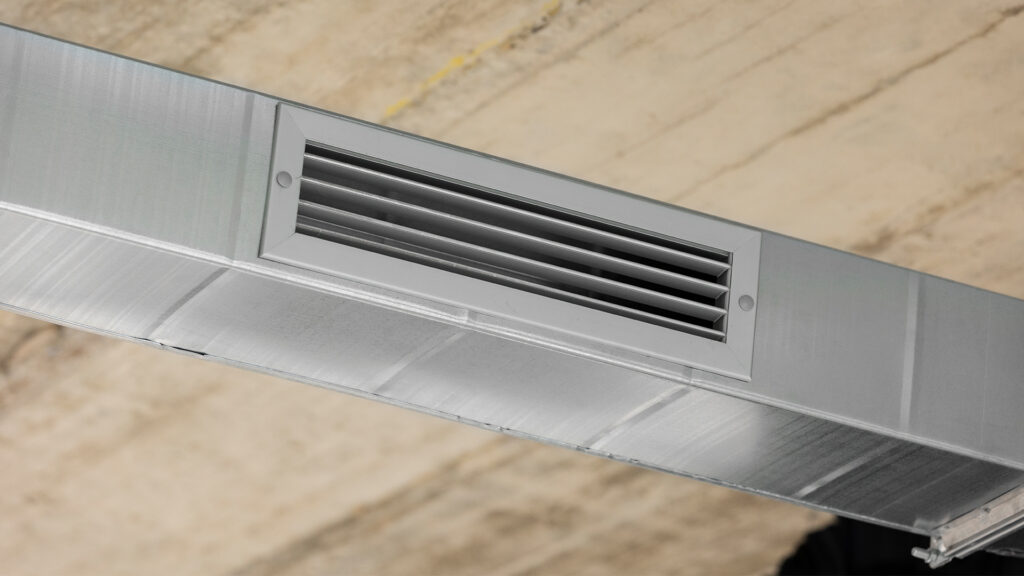
A ducted system uses a central unit for both cooling and heating, connected via concealed ducts placed in the walls, floors, or ceilings of a building. Usually located out of sight in areas like basements or attics, this main unit chills (or heats) air before a strong fan moves it through the duct network to room vents.
Return air vents remove warm air from occupied areas and return it to the central unit, where it can be cooled again—creating ongoing circulation throughout the building. Many modern systems also allow integration of air purification or humidity control, helping refine the conditions of your entire space. Ducted cooling systems are especially valued in large residential or commercial environments, thanks to their ability to deliver uniform temperature and superior coverage to multiple rooms.
RCM air conditioners are known for their balance of reliability, efficiency, and affordability. While not as widely recognized as some major brands, RCM units appeal to homeowners and small businesses seeking basic, dependable cooling at a sensible price. They often attract those focused on straightforward operation and value for money, making them a sensible option for many buyers.
The RCM brand typically offers classic wall-mounted split units that stand out for their ease of installation and reliable performance, especially in single rooms or enclosed spaces. RCM models are designed to deliver core cooling functions without unnecessary extras, helping keep costs down. These features, along with straightforward controls and reasonable energy consumption, make RCM units attractive for anyone seeking practical and budget-friendly air conditioning.
Choosing the right cooling system is only part of the picture; how it’s installed and maintained can be just as important. A trusted HVAC company brings the technical know-how to ensure smooth installation and top performance for your equipment, which helps you avoid costly issues and get the longest life out of your investment.
A reputable company specializing in heating, ventilation, and air conditioning provides a comprehensive range of services:
To help you compare your options at a glance, here is a table outlining the core features of each system covered in this guide.
|
Feature |
Ceiling Cassette AC |
Ducted Unit |
RCM AC (Split Unit) |
|---|---|---|---|
|
Best For |
Large, open-plan rooms; commercial spaces |
Entire homes; large properties |
Single rooms; small offices |
|
Installation |
In a false or suspended ceiling |
Hidden in walls, floors, or ceilings |
Mounted on an interior wall |
|
Aesthetics |
Minimalist grille is visible |
Only vents are visible |
Visible indoor unit on the wall |
|
Airflow |
4-way, even distribution |
Through vents in multiple rooms |
Directional, from one point |
|
Coverage |
Single large room |
Multiple rooms/whole building |
Single room or area |
|
Cost |
Moderate to High |
High |
Low to Moderate |
Selecting the right air conditioning system means weighing your budget, room design, and cooling needs. Cassette-style ceiling units work best in open spaces where you want discreet, even airflow and minimal visual intrusion. For those seeking to maintain comfortable temperatures across a whole house or large building, central ducted systems are typically the go-to due to their broad coverage and integration options. Meanwhile, a split system like the RCM brand is a favorable pick for single rooms or smaller spaces, combining practical features and budget-friendly installation.
When choosing between these solutions, think about the size of your area, your style preferences, and the long-term maintenance involved, and always seek advice from a reputable professional for tailored recommendations and reliable installation.
For the best results and peace of mind, it’s wise to seek guidance from an experienced technician when choosing your cooling system. They can help you determine which setup fits your space and comfort needs, and ensure that installation is handled correctly. Selecting and installing the right unit brings lasting comfort and efficiency to your home or business.
Generally, yes. The initial price and installation for a ceiling cassette system are typically higher than a basic wall-mounted unit. This is mostly due to the complexity of mounting within the ceiling. However, for many commercial spaces and luxury homes, the enhanced comfort, even airflow, and less obtrusive appearance can be worth the extra investment.
Absolutely. Most ducted systems are “reverse cycle,” allowing them to provide both cooling and heating. They extract heat from the outside air and transfer it inside during colder months, delivering energy-efficient year-round climate control for your property.
For reliable performance, have your system checked by a professional at least annually. Regular maintenance improves efficiency, reduces the risk of breakdowns, and can help your air conditioning equipment last longer. Scheduling a service visit before heavy use in summer is a smart move.
Welcome to The AC Hub, Pakistan’s trusted 3S AC dealer, committed to delivering comfort nationwide. We specialize in residential and commercial air conditioning, offering genuine products from top global brands. Our service includes expert installation, nationwide delivery, and full warranty support for your peace of mind. Experience unparalleled quality and customer satisfaction with every solution we provide.


