
Finding the Best Non-Inverter AC for Businesses in Pakistan
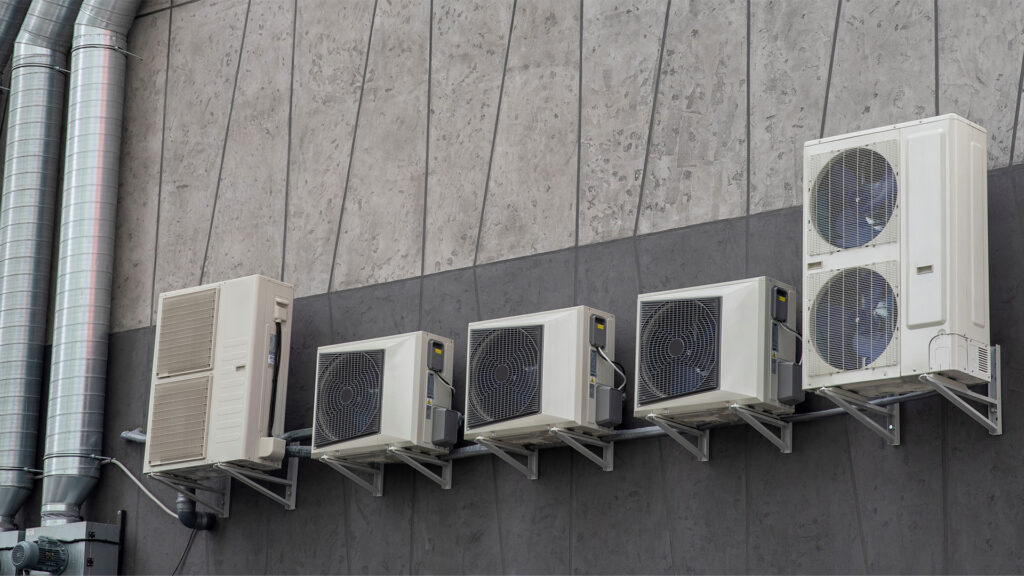
Finding the Best Non-Inverter AC for Businesses in Pakistan Choosing the right air conditioning system is one of the most critical decisions a business owner can make. It directly impacts employee comfort, customer satisfaction, and operational costs. While inverter technology often dominates the conversation, the steadfast reliability and cost-effectiveness of non-inverter units make them a powerful contender, especially in a commercial setting. For many enterprises, a non-inverter AC is not just a viable option; it’s the smartest one. This comprehensive guide will explore why a non-inverter model might be the best non-inverter AC for businesses like yours. We will delve into the distinct advantages they offer, from lower initial investment to robust performance. We will also examine key factors to consider, compare popular brands, and help you understand the landscape of Commercial AC Price in Pakistan. By the end, you will have the knowledge to select a cooling solution that delivers consistent comfort and tangible value for your establishment. The Case for Non-Inverter ACs in a Commercial Setting In the world of air conditioning, the primary difference between inverter and non-inverter models lies in the compressor’s operation. An inverter AC adjusts its compressor speed to maintain a set temperature, leading to higher energy efficiency but also a higher upfront cost and more complex mechanics. In contrast, a non-inverter AC operates on a simpler principle: the compressor runs at a fixed, maximum speed until the desired temperature is reached, then shuts off. It turns back on when the room temperature rises. While this may sound less sophisticated, this straightforward mechanism offers several compelling benefits for a business environment. 1. Lower Initial Investment For any business, managing capital expenditure is paramount. The most significant advantage of a Non-inverter Light Commercial Air Conditioner is its lower purchase price. This reduced upfront cost allows businesses, particularly startups and small to medium-sized enterprises (SMEs), to allocate capital to other critical areas like inventory, marketing, or staffing. When you need to cool a large space or multiple rooms, these initial savings can be substantial, making it a financially prudent choice. 2. Robust and Simplified Mechanics Commercial air conditioners are workhorses that often run for extended hours under demanding conditions. The simpler design of a non-inverter AC translates to enhanced durability. With fewer complex electronic components controlling the compressor, there are fewer potential points of failure. This robustness means they can often withstand voltage fluctuations and harsh operating environments better than their inverter counterparts. The result is a longer operational lifespan and greater peace of mind for the business owner. 3. Cost-Effective Maintenance and Repairs When a breakdown does occur, time is money. A simpler system generally means quicker diagnostics and more affordable repairs. Technicians are widely familiar with non-inverter technology, and spare parts are often more readily available and less expensive. This reliability makes the Non-inverter Light Commercial Air Conditioner a practical choice for businesses that cannot afford extended downtime. 4. Powerful, Rapid Cooling A non-inverter compressor always operates at its maximum capacity when switched on. This provides a powerful blast of cool air that can bring a room’s temperature down very quickly. For businesses like retail stores, restaurants, or waiting areas where doors are frequently opening and closing, this rapid cooling capability is invaluable for maintaining a comfortable atmosphere for customers and staff. Key Considerations for Choosing a Light Commercial AC for Offices Selecting the right AC involves more than just picking a brand. It requires a careful assessment of your specific needs. When looking for a Light Commercial AC for Offices and other business spaces, consider these crucial factors. Sizing and Capacity (BTU/Tonnage) The most critical factor is choosing the correct size. An undersized unit will struggle to cool the space, running constantly without achieving the desired temperature. An oversized unit will cool the room too quickly and shut off, leading to frequent cycling that wastes energy and fails to dehumidify the air properly. Factors to consider for sizing include: Room Size: Measure the square footage of the area. Ceiling Height: Taller ceilings require more cooling power. Sunlight Exposure: Rooms with large, sun-facing windows will need a higher BTU capacity. Occupancy: More people generate more heat. Heat-Generating Equipment: Computers, printers, and kitchen appliances add to the heat load. A professional consultation can ensure you select the correct tonnage for optimal performance and efficiency. Unit Type: Wall-Mount vs. Ceiling Cassette The physical form of the AC unit also matters. Wall-Mounted Units: These are common, easy to install, and suitable for smaller offices or individual rooms. Ceiling Cassette Units: Installed flush into the ceiling, these are ideal for larger, open-plan offices. They offer 360-degree airflow, ensuring even temperature distribution and eliminating hot or cold spots. Their discreet design also preserves a clean, professional aesthetic. For many, a ceiling cassette is the best non-inverter AC for businesses with open layouts. Understanding the Commercial AC Price in Pakistan The Commercial AC Price in Pakistan varies widely based on brand, capacity, and unit type. Non-inverter models are generally more affordable upfront. When budgeting, remember to factor in not just the purchase price but also the installation costs and long-term running expenses. While inverters save on electricity bills over time, the lower initial outlay of a non-inverter can provide a faster return on investment for many businesses. Brand Showdown: Midea AC Vs Ecostar AC for Your Business When it comes to selecting a brand, Midea and Ecostar are two popular names in the Pakistani market, each offering distinct advantages. The debate of Midea AC Vs Ecostar AC often comes down to specific business priorities. Midea: Global Powerhouse of Innovation Midea is one of the world’s largest appliance manufacturers, known for its extensive research and development. Strengths: Midea ACs are often praised for their robust build quality and advanced features, even in their non-inverter lines. They are engineered for durability and reliable performance in demanding climates. Considerations: As a global brand, Midea sometimes comes with a slightly higher price point compared to some local competitors, but this often reflects its