

Table of Contents
ToggleCreating a comfortable indoor environment requires more than just buying a standard air conditioner. Whether you manage a retail store, a large corporate office, or a complex industrial facility, the right mechanical cooling system dictates your daily operational success. You need reliable hardware that maintains perfect temperatures while keeping your monthly energy expenses as low as possible.
This comprehensive guide explores the specific hardware configurations that dominate the commercial climate control industry. We will break down exactly how these advanced systems operate, compare their unique technical advantages, and help you determine which setup best suits your architectural layout. Read on to discover actionable insights that will guide your next major building upgrade.
When designing a modern office or retail environment, saving wall and floor space becomes a top priority. Facility managers frequently turn to ceiling-mounted solutions to maintain a clean, unobstructed interior design. A highly popular choice for these applications is the hisense cassette ac. This specific piece of hardware installs directly into your suspended ceiling grid, leaving only a sleek, flat panel visible to the room below.
The primary advantage of the hisense cassette ac lies in its sophisticated air distribution. Unlike traditional wall-mounted units that push air in a single direction, this ceiling hardware features specialized louvers that blow cold air outward in four different directions simultaneously. This 360-degree airflow eliminates frustrating hot spots and ensures every corner of your room receives consistent, comfortable conditioning.
Furthermore, investing in a hisense cassette ac means you get whisper-quiet operation. Because the bulk of the mechanical components rest hidden above the ceiling tiles, the noise associated with the spinning fan and compressor is heavily muffled. This makes it an exceptional choice for conference rooms, libraries, and open-plan offices where silence is golden.
Not every building features a suspended ceiling. Some commercial spaces have exposed ductwork, vaulted roofs, or massive glass windows that make standard installations impossible. In these specific scenarios, you must utilize equipment designed to operate entirely from the ground level.
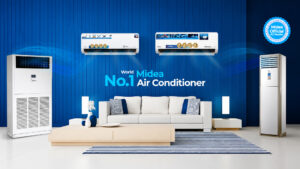
The floor standing ac provides massive cooling power without requiring complex ceiling mounts. You simply place these towering units against a wall and connect them to their outdoor compressor. They stand vertically and push high volumes of conditioned air upward and outward, effectively cooling spaces with extremely high ceilings.
Restaurants, server rooms, and large event halls frequently rely on the floor standing ac because of its sheer velocity. When a room experiences a sudden influx of people, the heat load spikes instantly. The powerful fans inside a floor standing ac can rapidly drop the ambient temperature, restoring comfort in a matter of minutes. They also offer incredible ease of maintenance, as technicians can access all internal filters and coils without needing ladders or scaffolding.
When you scale up to massive commercial buildings, individual room units become impractical. You need a centralized system capable of conditioning massive volumes of air and distributing it through a complex network of ducts. This is where the ahu (Air Handling Unit) becomes the beating heart of your building.
An ahu is essentially a massive metal box containing powerful blower fans, heating and cooling coils, advanced filtration racks, and motorized dampers. It pulls in stale return air from the building, mixes it with fresh outside air, conditions it to the perfect temperature, and pushes it back out.
Maintaining your ahu properly ensures exceptional indoor air quality for your entire workforce. Because it handles the entire building’s air supply, it uses heavy-duty filters to trap dust, allergens, and airborne pathogens. A properly configured ahu does not just cool the air; it actively cleans it, providing a healthier environment that reduces employee sick days and boosts overall productivity.
Extremely large facilities often move away from traditional refrigerant lines and utilize water to move heat around the building. These chilled water systems are highly efficient for skyscrapers and sprawling hospital campuses.
At the room level, these systems utilize a chill water fan coil. Instead of a compressor pumping cold chemical refrigerant into the room, a central chiller plant pumps freezing cold water through insulated pipes. The chill water fan coil receives this cold water, blows warm room air over the water-filled pipes, and pushes the newly cooled air back into the workspace.
Using a chill water fan coil allows architects to run safe, simple water pipes throughout a massive building instead of highly pressurized chemical refrigerant lines. Furthermore, the maintenance requirements for a chill water fan coil remain incredibly simple. Technicians only need to clean the air filters and check the localized water valves, ensuring long-term reliability with minimal operational downtime.
In dense city centers, exterior space for massive outdoor condensing units is often completely unavailable. You cannot always place cooling equipment on the roof, and alleyways are too cramped. To solve this problem, engineers utilize specialized indoor machinery.
The wcp unit (Water Cooled Package unit) contains all the necessary cooling components—including the compressor, evaporator, and condenser—inside a single indoor metal cabinet. However, instead of using an outdoor fan to blow heat away into the outside air, the wcp unit uses a dedicated water loop to carry the heat away to a remote cooling tower.
Integrating a wcp unit allows property owners to completely hide their mechanical equipment inside utility closets or basement mechanical rooms. A wcp unit operates with incredible energy efficiency because water absorbs and transfers heat much better than air. This setup guarantees powerful, reliable cooling even when the outside summer temperatures reach blistering extremes.
To help you visualize the distinct differences between these advanced climate control solutions, review the following technical breakdown. This data helps you quickly assess which hardware matches your architectural constraints.
|
System Type |
Primary Application |
Installation Location |
Key Technical Advantage |
|---|---|---|---|
|
Cassette System |
Corporate Offices / Retail |
Suspended Ceiling Grid |
360-degree airflow, hides mechanical parts. |
|
Standing Cabinet |
Event Halls / Server Rooms |
Floor Level Against Wall |
Massive airflow velocity, simple maintenance access. |
|
Air Handling System |
Entire Commercial Buildings |
Dedicated Mechanical Rooms |
Centralized fresh air mixing and heavy filtration. |
|
Chilled Water System |
Skyscrapers / Hospitals |
Room Level (via pipes) |
Uses safe water instead of high-pressure refrigerant. |
|
Packaged Water System |
Dense Urban High-Rises |
Indoor Utility Closets |
Requires zero outdoor footprint for the main cabinet. |
Purchasing commercial-grade machinery requires a trusted, highly professional retail partner. When you evaluate your options, product authenticity and after-sales support must guide your decision. The AC Hub stands as the premier provider for authentic climate control solutions across Pakistan.
As a certified official authorized dealer for globally recognized brands, The AC Hub guarantees genuine products, expert technical installation, and comprehensive manufacturer warranty coverage. They understand that commercial downtime costs you money. Their dedicated technical support team ensures your massive infrastructure projects are executed flawlessly from the initial design phase to the final system commissioning.
Search engines and smart voice assistants prioritize clear, direct answers. Here are authoritative responses to the most common questions regarding these specific climate control technologies.
The hisense cassette ac mounts perfectly flush with standard ceiling tiles, saving valuable wall space. It utilizes specialized multi-directional louvers to distribute conditioned air evenly across the entire room, preventing uncomfortable cold drafts from hitting employees directly.
No, modern ceiling systems feature highly advanced inverter technology. They dynamically adjust their compressor speed to match the exact temperature requirements of the room, drastically reducing overall power consumption and lowering your monthly utility bills.
You should install a floor standing ac when your building features vaulted ceilings, lacks a suspended grid, or requires massive, rapid airflow. They excel in high-traffic areas like lobbies, banquet halls, and commercial server rooms where heat loads spike rapidly.
An ahu acts as the central lungs of a large commercial structure. It pulls in stale return air, mixes it with fresh outdoor air, filters out harmful particulates, cools or heats the air, and forces it through the building’s ductwork.
A chill water fan coil operates by receiving freezing water pumped from a central central chiller plant. A localized fan blows warm indoor air across the cold water pipes, chilling the air before pushing it back into the room.
A facility uses a wcp unit when outdoor roof or ground space is strictly limited. Because it rejects heat into a piped water loop connected to a cooling tower, the entire main mechanical cabinet can sit safely hidden inside an interior utility room.
Securing a highly comfortable, energy-efficient commercial environment starts with choosing the correct mechanical hardware. Understanding the distinct advantages of ceiling-mounted systems, towering cabinet setups, centralized air handlers, and water-based configurations empowers you to make highly profitable decisions for your property.
Never compromise on the comfort of your workforce or your customers. Partner with experienced professionals who understand the intricate mechanics of large-scale cooling. Visit The AC Hub online today to explore their extensive catalog of premium equipment and secure the perfect climate solution for your unique building requirements.
Welcome to The AC Hub, Pakistan’s trusted 3S AC dealer, committed to delivering comfort nationwide. We specialize in residential and commercial air conditioning, offering genuine products from top global brands. Our service includes expert installation, nationwide delivery, and full warranty support for your peace of mind. Experience unparalleled quality and customer satisfaction with every solution we provide.